

Your Whole-House Inspection: A Guide for Buyers, Homeowners & Sellers
A whole-house inspection is one of the most valuable tools in a real estate transaction—but its usefulness doesn't have to end at the closing table.
For buyers, an inspection provides a detailed look at the condition of the home before making one of life's largest financial commitments. After closing, that same report can become a roadmap for maintenance and improvements. And when it's eventually time to sell, understanding what an inspector looks for can help you prepare your home before the next buyer ever walks through the door.
Whether you're buying, maintaining, or preparing to sell, understanding the whole-house inspection process can help you make more informed decisions about your home.

What Does a Whole-House Inspection Cover?
A professional home inspection is much more than a quick walk-through or checklist. An inspector may spend hours evaluating the home's major systems and components and documenting their observations.
A typical inspection may include:
- Grounds and exterior
- Roof
- Garage
- Attic and insulation
- Interior areas
- Fireplace
- Foundation and structural components
- Heating and cooling systems
- Electrical system
- Plumbing
- Water heater
- Appliances
The finished report may contain photographs, observations, recommendations, maintenance concerns and items that could benefit from further evaluation. Think of it as a snapshot of the home's overall condition at that point in time.
Buyers: Your Inspection Report Belongs to You

Your home inspection report is prepared for you, the buyer. While your real estate agent can help you navigate the transaction and discuss your options, your inspector is the professional evaluating the home's physical condition.
These professionals have different—and equally important—roles.
Your inspector evaluates and documents the condition of the home. Your Realtor helps you understand your contractual options, negotiate when appropriate, manage deadlines and navigate the purchase. That's why buyers shouldn't simply skim the inspection summary and ask their Realtor, "What do you think?"
Read the report yourself. Look at the photographs. Write down questions. If you don't understand something, ask the inspector who evaluated it. When a significant concern is identified, you may also want additional information from a qualified specialist, such as a roofer, electrician, plumber, HVAC contractor or foundation professional. Once you understand the findings, you and your Realtor can discuss what they mean for the transaction and determine your next steps.
Pay Attention to the Big-Ticket Systems
An inspection report can contain a lot of information, and seeing page after page of observations can feel overwhelming. Not every item carries the same weight. Some of the most important systems and components to understand include:
Roof
A roof nearing the end of its useful life or showing signs of damage can represent a significant future expense.
Foundation
Cracks, movement, moisture or other structural concerns may warrant additional professional evaluation.
HVAC
Understanding the condition and approximate age of the heating and cooling systems can help you anticipate maintenance and replacement expenses.
Well and Septic Systems
For homes that aren't connected to municipal water and sewer, these systems deserve particular attention and may require specialized inspections or testing.
Electrical and Plumbing
Safety concerns, leaks, outdated components and other deficiencies can affect both the home's functionality and future maintenance costs.
The goal isn't to find a house with a perfectly clean inspection report. Homes require maintenance. The goal is to understand what you're buying.
Don't Let Cosmetics Distract You
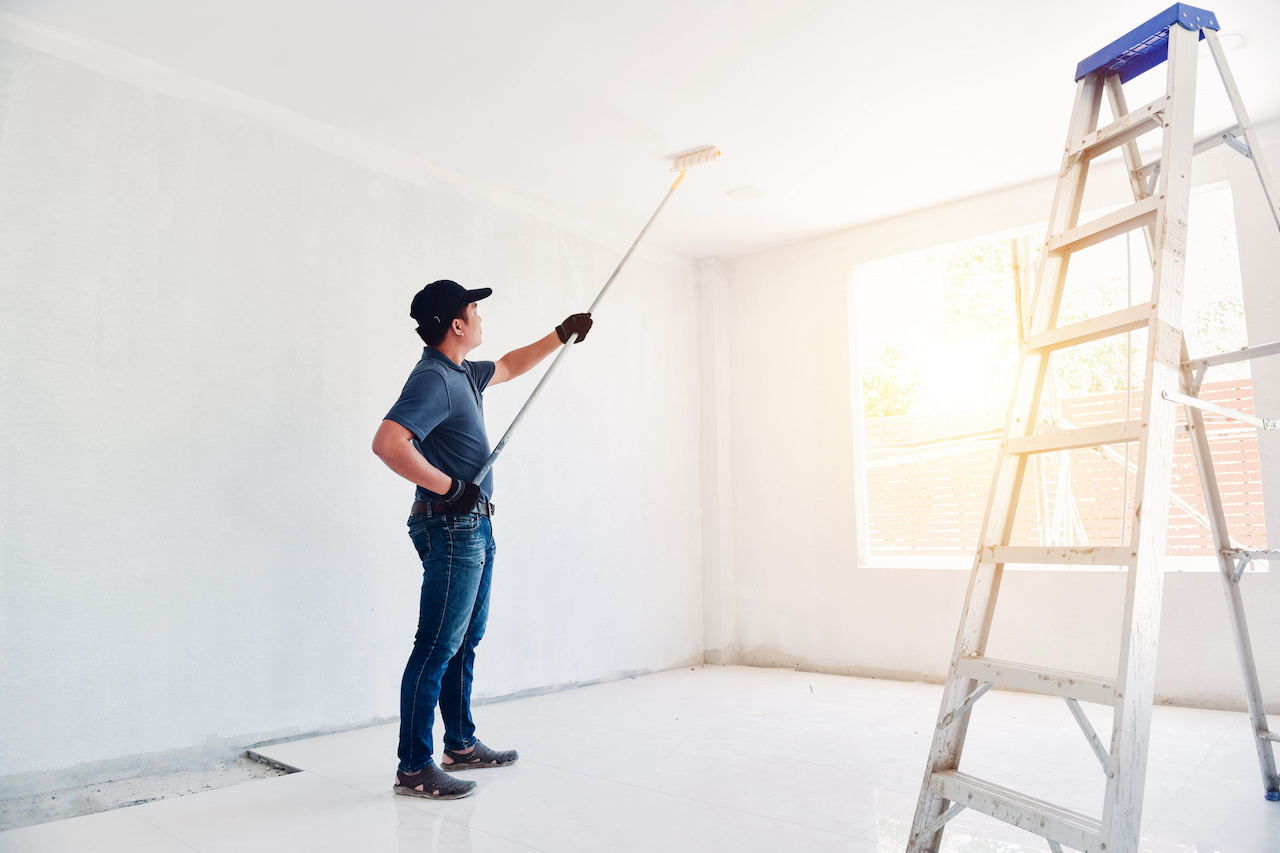
Buyers can easily become focused on things they immediately see: paint colors, flooring, outdated finishes or older windows. Those things may matter to you, but they aren't necessarily the most important findings in an inspection. Paint can be changed. Flooring can be replaced. Even larger projects can often be completed gradually.
Safety, structural concerns, water intrusion and major mechanical systems generally deserve attention before cosmetic improvements. Understanding the difference can help you prioritize both your negotiations and your future home-improvement budget.
After Closing: Don't Put the Report in a Filing Cabinet
Once you've purchased the home, don't forget about the inspection report. Instead, turn it into a home maintenance and improvement roadmap. One simple strategy is to revisit the report every few months. Choose a section or a few manageable items and work through them over time.
For example:
First: Address safety concerns and necessary repairs.
Next: Take care of deferred maintenance and items that could become larger problems.
Then: Plan for aging systems and future replacements.
Finally: Tackle cosmetic improvements and projects that make the home more enjoyable for you.
You don't have to do everything at once. Consistent maintenance over several years can make a substantial difference.
Keep Records of What You Improve
As you work through your inspection report, keep documentation. Save receipts, warranties, invoices and records of professional maintenance. Keep track of major improvements and when they were completed. If you service the HVAC system, keep the invoice. If you replace the roof, save the warranty. If you correct an electrical issue identified during your original inspection, document the work. Those records are useful while you own the home—and they may become valuable when you're ready to sell. Instead of simply telling a future buyer that the home has been well maintained, you'll have documentation showing the work you've completed.

Sellers: Look at Your Home Like an Inspector Would
Eventually, today's buyer becomes tomorrow's seller. Before putting your home on the market, walk through it with the same perspective an inspector will use—or consider having a pre-listing inspection performed. Instead of starting with decorating and staging, first look for safety concerns, functional problems and deferred maintenance.
Start outside. Look at drainage, gutters, downspouts, siding, exterior trim, walkways and vegetation. Make sure water is directed away from the foundation. Look at the roof for obvious damage or missing shingles and consider having concerns evaluated by a qualified roofing professional. Make the attic, electrical panel, HVAC equipment, water heater and other major components accessible so they can be properly evaluated.
Inside, repair leaking faucets, running toilets, loose railings, damaged drywall, sticking doors and windows, broken outlet covers and other obvious maintenance issues. Test included appliances, smoke detectors and carbon monoxide detectors, and replace simple maintenance items such as filters and burned-out light bulbs.
Should Sellers Get a Pre-Listing Inspection?
For some sellers, a pre-listing inspection may be worth considering. It can identify concerns before the home goes on the market, giving you more time to investigate repairs, obtain estimates and decide what you want to address. However, a pre-listing inspection isn't necessarily the right choice for every property or every seller. Inspection and disclosure requirements can also vary by location. Before ordering one, talk with your real estate agent about whether it makes sense for your home and your situation.
Don't Try to Make an Older Home "Perfect"

Preparing for an inspection doesn't mean replacing every aging component or remodeling the house from top to bottom. The goal should be to address appropriate safety, maintenance and functionality issues, not to create a brand-new house. That's also why sellers should be careful about over-improving immediately before listing. A Realtor who understands your local market can help you evaluate which projects may improve marketability and which ones may not make financial sense before selling.
One Inspection Can Have Value for Years
A whole-house inspection shouldn't be viewed as simply another hurdle between an accepted offer and closing. For a buyer, it's an opportunity to better understand the home you're considering. For a homeowner, it can become a long-term maintenance plan. And for a seller, understanding what inspectors evaluate can help you prepare for the next transaction before a buyer's inspection uncovers surprises. The key is knowing which professional to turn to at each stage.
Trust your home inspector and qualified contractors for information about the physical condition of the home. Trust your Realtor to help you navigate the real estate transaction, your options and the local market.
And most importantly, don't let that inspection report disappear into a drawer after closing. Use it to understand, maintain and improve one of your biggest investments.
Buying, selling, or wondering what your next move should be? The agents at Inspired Homes are here to help you navigate the process from the first showing to the closing table—and beyond.